How to Prevent Highway Rock Chips on New Car Paint
That first highway commute in a brand-new vehicle is pure bliss until you hear it: the sharp, metallic clack of a stone hitting your front bumper. You pull into the driveway, walk to the front, and there it is—a jagged, white crater in the pristine clear coat. It is absolutely heartbreaking. If you want to prevent highway rock chips and protect new car paint, traditional waxing simply will not cut it. Road debris moves at 70 miles per hour on the interstate, turning tiny loose pebbles into miniature missiles that easily slice through standard factory finishes.
Fortunately, you do not have to watch your investment get slowly sandblasted by daily traffic.
This guide breaks down exactly how to stop paint chips using modern, professional-grade surface tech.
The Mechanics: How to Prevent Highway Rock Chips
To understand how to deflect road debris, you have to look at the physics of a high-speed impact. When a stone strikes a standard painted surface, the rigid clear coat lacks the flexibility to absorb the sudden kinetic energy. The energy transfers directly into the paint layers, shattering the brittle material down to the primer or bare metal. This leaves an ugly mark and exposes the underlying steel to moisture, which eventually kicks off the rust process.
Think of it like throwing a baseball at a brick wall versus a tightly stretched trampoline.
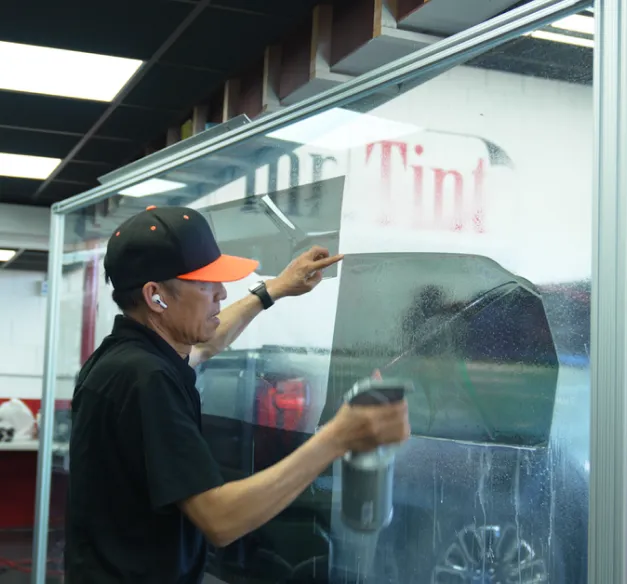
The brick wall chips and cracks under the impact, while the trampoline flexes, absorbs the force, and safely disperses the energy before returning to its original shape. Modern paint protection film for cars acts exactly like that trampoline. Made from advanced thermoplastic polyurethane (TPU), this specialized, optically clear layer stretches and compresses upon impact. The energy is spread out laterally across the surface of the film rather than drilling down into your factory paint. What this means in practice is that the stone bounces off, leaving your actual paint completely untouched.
Key Benefits of Professional Paint Protection
Investing in proper vehicle surface protection offers clear advantages for your daily drive and your wallet. Real talk: relying on factory paint to survive US highways is a losing battle.
Impact energy dissipation: The specialized TPU material absorbs the brunt of flying gravel, preserving the underlying finish completely intact.
Self-healing properties: Minor swirl marks and surface scratches disappear automatically when exposed to the sun or engine heat. The heat triggers the elastomeric polymers to return to their natural, uniform state.
Preserved resale value: Maintaining a flawless factory finish maximizes what dealerships or private buyers will pay when it is time to trade up. A clean front end tells buyers that you took care of the vehicle.
Stain and chemical resistance: The outer topcoat repels bird droppings, bug splatter, and harsh winter road salt that pit unprotected clear coats.
Real Data and Proof of Performance
The science behind paint protection film for cars is backed by measurable performance metrics that demonstrate its real-world durability. This is not just a cosmetic upgrade; it is an engineered shield for your asset.
8 mils of solid protection: High-grade film measures approximately 8 mils thick (0.008 inches), adding a heavy, multi-layered shield over your factory paint that absorbs high-velocity stone strikes.
100% optical clarity: Advanced films feature a refractive index matching your vehicle's clear coat, ensuring a completely invisible look with 0% distortion across the body panels.
Up to 10-year longevity: Premium installations offer a solid 5 to 10 years of reliable performance, resisting yellowing and cracking under intense UV exposure.
Comparison Guide: Methods to Stop Paint Chips
When looking for how to stop paint chips, car owners typically choose between temporary fixes, liquid coatings, or heavy-duty films. Here is how the most common options stack up against aggressive highway debris.
Traditional Car Wax
Impact Resistance: Extremely Low
Longevity: 1–3 Months
Appearance: Glossy finish but requires frequent maintenance.
Best For: Adding shine while providing minimal protection against dust and UV rays. It offers virtually no defense against rock chips.
Ceramic Coating
Impact Resistance: Low (Scratch-resistant, not chip-resistant)
Longevity: 2–5 Years
Appearance: Ultra-glossy, hydrophobic finish.
Best For: Protecting against chemicals, bird droppings, and making washing easier. However, it cannot stop rock chips from damaging the paint.
Leather / Vinyl Car Bra
Impact Resistance: Medium
Longevity: 1–2 Years
Appearance: Bulky and may trap dirt underneath over time.
Best For: Temporary protection during road trips, although this older technology has largely been replaced by modern alternatives.
Paint Protection Film (PPF)
Impact Resistance: High
Longevity: 5–10 Years
Appearance: Virtually invisible with a factory-quality finish.
Best For: Protecting your vehicle from rock chips, gravel, road debris, and everyday highway damage while preserving the original paint.
But consider this: many drivers mistakenly think a ceramic coating will save them from rocks. It will not. A coating is fantastic for slickness and shine, but it is only a few microns thick. It cannot compete with an 8-mil polyurethane barrier when gravel flies off the back of a dump truck.
Cost Expectations for Paint Protection Film
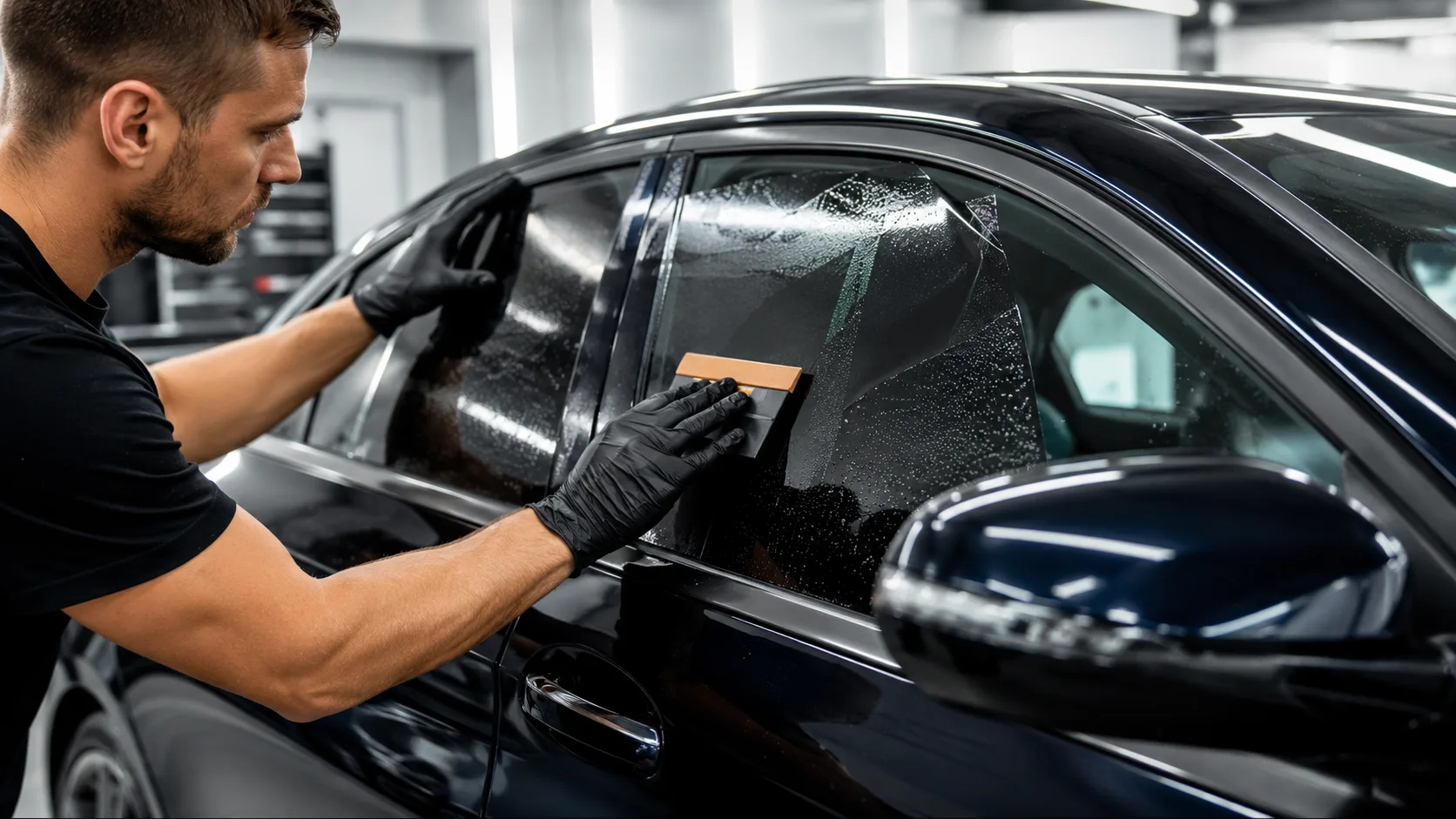
The investment required to protect new car paint varies based on how much coverage your vehicle needs. Most professional shops offer tiered packages to fit different driving habits and budgets. The upfront cost reflects the highly specialized labor required to prep the paint and lay the film cleanly around intricate body lines.
Partial Front-End Package ($600 – $1,100): Covers the high-impact zones, including the front bumper, the leading edge of the hood, and the side mirrors. This is ideal for city drivers who rarely hit the open highway.
Full Front-End Package ($1,400 – $2,200): Covers the entire hood, full front fenders, front bumper, headlights, and mirrors. This eliminates any visible lines on the hood and is our most popular option for daily commuters.
Full Vehicle Wrap ($4,500 – $7,500): Covers every painted exterior panel for total peace of mind against parking lot door dings, shopping carts, and road hazards.
Practical Considerations and Maintenance Tips
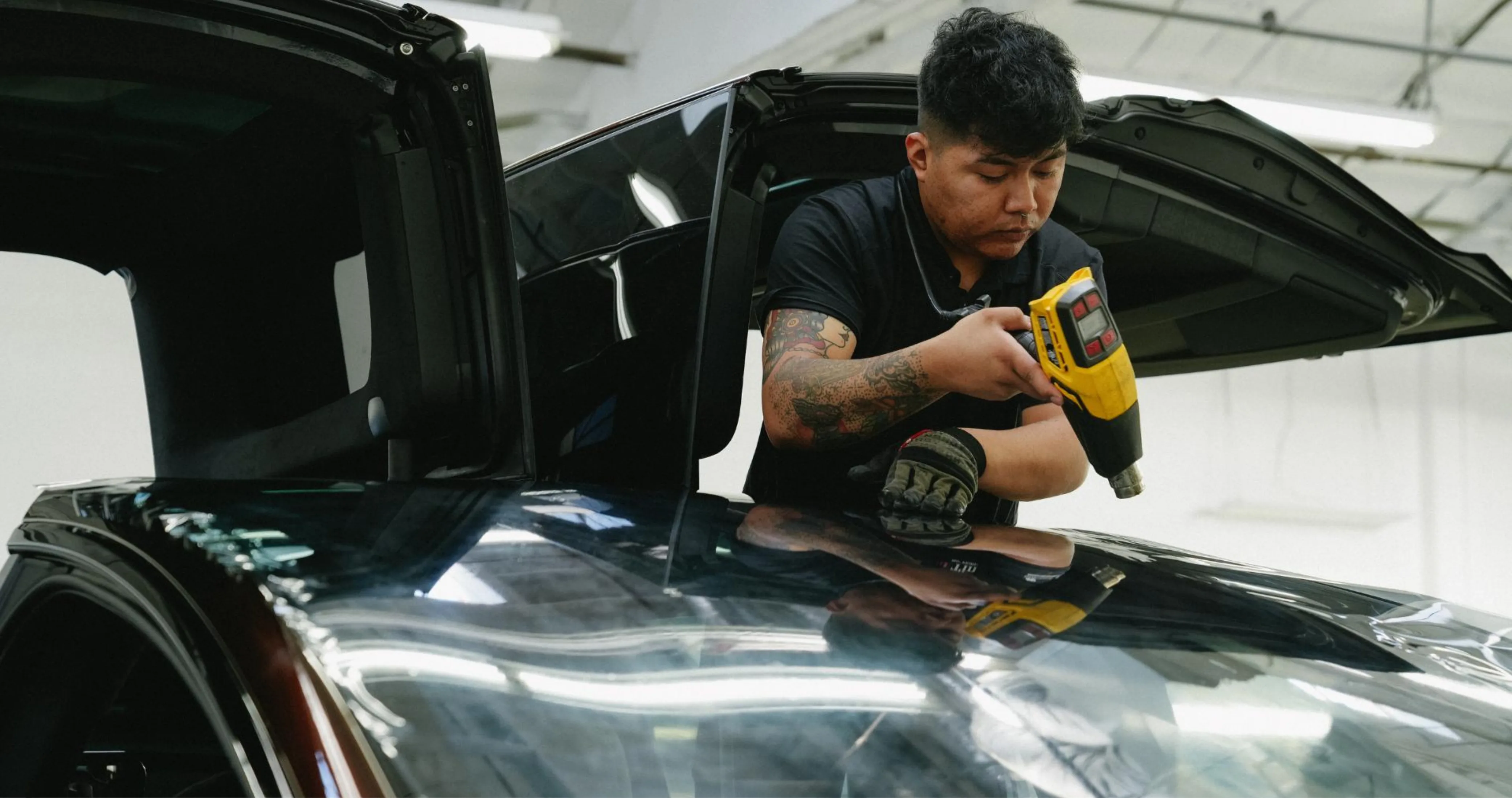
To get the most out of your protective film installation, keep a few crucial industry practices in mind. Proper maintenance ensures the film stays clear and slick for a decade.
The 48-hour cure window: Avoid washing your vehicle for at least 48 hours after installation to allow the moisture underneath to evaporate completely and the adhesive to lock down.
Mind your pressure washer: Keep the spray nozzle at least 12 inches away from any film edges when cleaning your car to prevent accidental lifting from high-pressure water.
Avoid automated brush car washes: Abrasive nylon brushes can mar the surface of the film and eventually compromise the edges over time. Stick to hand washing or touchless bays.
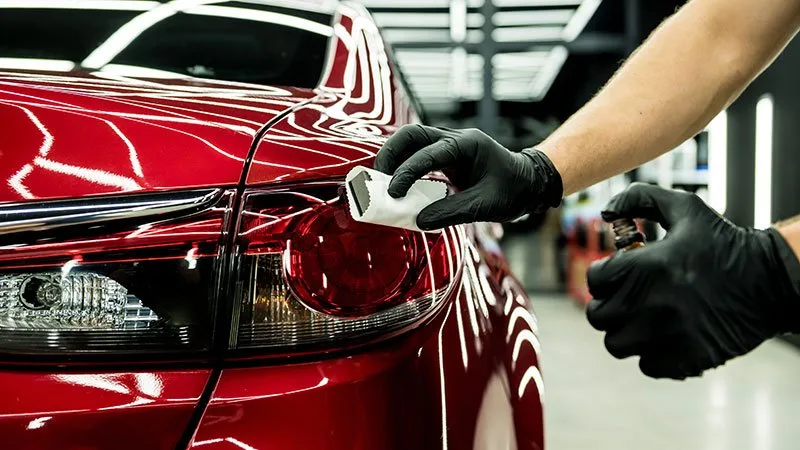
Apply a film-safe sealant: Using a dedicated ceramic sealant twice a year keeps the topcoat hydrophobic and makes washing away bugs effortless.
Frequently Asked Questions
Can you install paint protection film over existing rock chips?
Yes, but the film will not hide them. Any deep chips or craters will trap small pockets of air underneath the material, creating a tiny silver bubble around the defect. For the absolute cleanest factory-edge finish, it is highly recommended to touch up major chips or install the film immediately after taking delivery of a new vehicle.
Will the film damage my factory paint if it needs to be removed later?
No. High-quality professional films use advanced acrylic adhesives that are designed to bond securely to cured factory paint but release cleanly when properly removed with heat. Your original paint underneath remains in the exact same pristine condition as the day the film was installed, completely untouched by the elements.
Can ceramic coatings prevent highway rock chips?
No, ceramic coatings cannot absorb the impact of flying stones. While a ceramic coating creates a hard, hydrophobic glass layer that excels at preventing chemical stains and light wash swirls, it is far too thin to stop heavy road debris from chipping your paint.
How do you clean bug splatter off the protective film?
Bug residue wipes away easily with standard car wash soap and a soft microfiber wash mitt. For stubborn, baked-on bugs, a dedicated, film-safe bug remover or a warm microfiber towel left soaking on the spot for a few minutes will loosen the debris without scrubbing.
Protect What Matters Most
Your car is one of the largest investments you will make. Do not let loose gravel and daily highway commutes destroy its appearance and kill its trade-in value before you even hit your first oil change. Taking steps to prevent highway rock chips now saves you thousands of dollars in body shop paint repairs down the road. At Mr Tint, our certified installers use premium films and a meticulous, zero-shortcuts approach to deliver clean lines and lasting results. See the difference quality makes on your vehicle. Call or visit Mr Tint today to request your personalized paint protection quote.